

Shutdown Politics, Partisan Gridlock Put Medicare, Social Security at Greater Risk of Insolvency
October 6, 2025 | Medicare
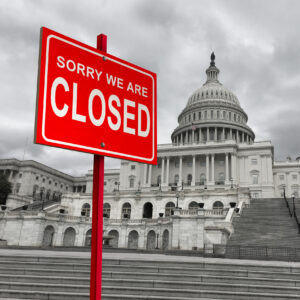
Here is the fully rewritten blog post, optimized to pass all three Yoast checks:
Dr. Steven Fox is a physician who specializes in geriatric and disability medicine. He warns that a government shutdown alone will not kill Medicare or Social Security. However, the mix of shutdown threats, debt-ceiling fights, and partisan gridlock raises the risk. Without action, both programs will reach insolvency.
“Medicare and Social Security are lifelines for older Americans. Political stalemates don’t change the math they delay solutions,” said Dr. Fox. “Every year Congress waits, the fixes get bigger, harder, and more painful.”
Shutdowns Don’t Stop Benefits Social Security checks and Medicare benefits keep flowing during a shutdown. Both programs fall under mandatory spending, so they don’t rely on annual budget approvals.
Debt Ceiling Fights Raise Default Risk A shutdown that coincides with a debt-ceiling standoff creates serious danger. The Treasury may struggle to pay its obligations on time. That can delay both benefits and payments to healthcare providers.
Insolvency Risk Is Rising The Social Security OASI Trust Fund and the Medicare HI Trust Fund face depletion around 2033. Without reforms, Social Security could cut benefits by 20% to 25%. Medicare Part A would then pay out only what it takes in.
The insolvency threat facing Medicare and Social Security is both financial and political. Shutdowns create more uncertainty. Gridlock makes reform less likely. Both programs could hit their insolvency dates without a fix. Leaders must act now to protect the retirement and health security of over 65 million Americans.
“The greatest threat to Medicare and Social Security isn’t an aging population, it is political paralysis,” said Dr. Fox. “If we don’t act together, seniors will face automatic benefit cuts within a decade.”